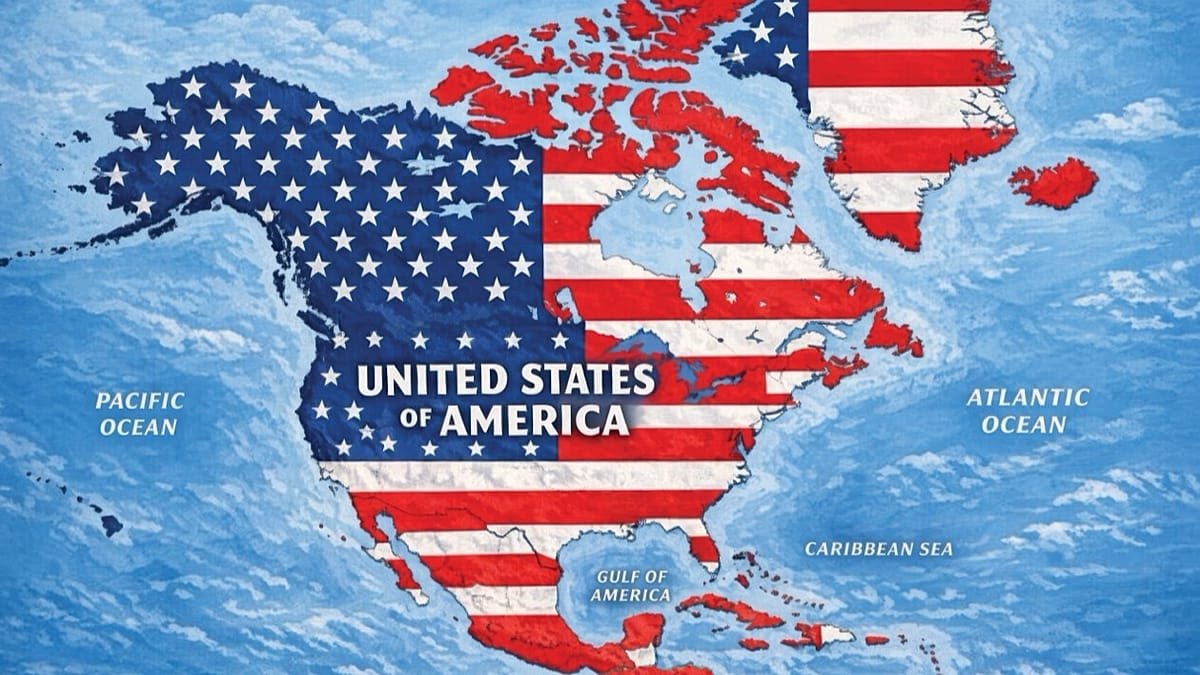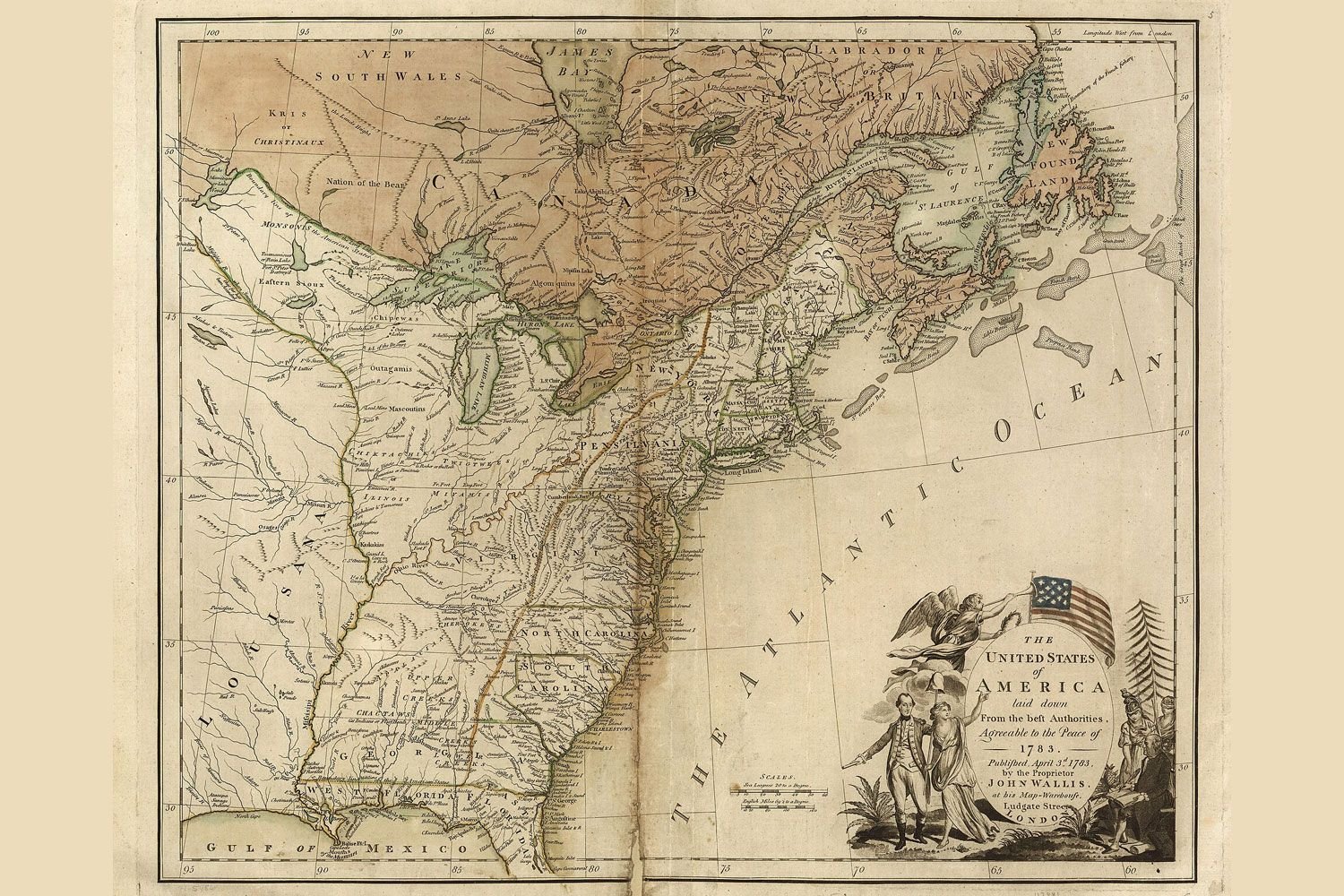
The nascent nation adopted its title 250 years in the past, on September 9, 1776. Individuals have debated the moniker ever since. One congressman even proposed the “United States of the Earth”
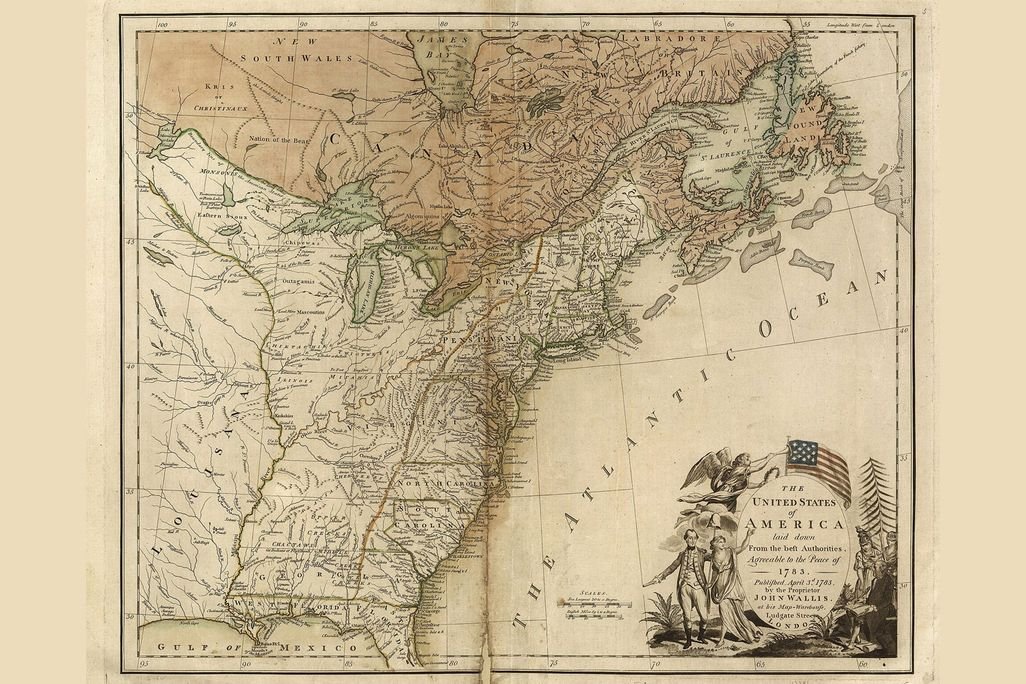
A 1783 map of the US
Public area by way of Wikimedia Commons
When America’s founding fathers got down to create a brand new nation impartial from Nice Britain, they’d a variety of choices to make. One was merely what to name their invention.
Right now, the world could take the title that these males selected 250 years in the past—the US of America—as a right. However on the time, each phrase was laden with that means, and every had its personal backstory, starting with “United.”
Why the U.S. grew to become united
The founders knew from the beginning that the unique 13 Colonies stood a much better likelihood of efficiently breaking away from Britain in the event that they did in order a gaggle. Rebellions by a single colony or two can be simple for the British Military to place down, however greater than a dozen rebelling directly was a special matter.
The professional-independence pamphleteer Thomas Paine burdened unity in his extensively learn and massively influential Widespread Sense, first printed in January 1776. He known as on the Colonies to ship representatives to kind a Congress and body a “constitution of the United Colonies.”
Benjamin Franklin was additionally a longtime advocate of this trigger, as vividly illustrated by his 1754 woodcut of a snake chopped into separate items representing the Colonies, which he captioned “Be a part of, or Die.” When the Colonies’ representatives lastly signed the Declaration of Independence in 1776, Franklin reportedly remarked that they need to now “all cling collectively, or most assuredly we will all cling individually.”
Benjamin Franklin’s Be a part of, or Die political cartoon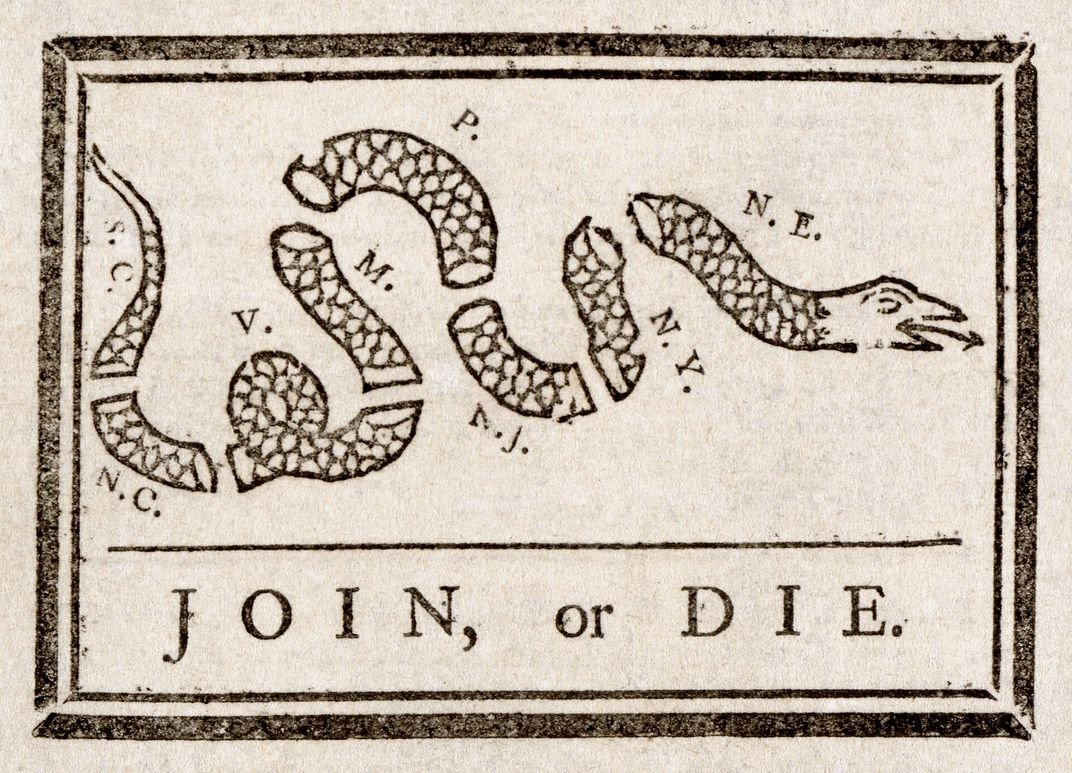
Because the colonists moved ever nearer to declaring independence, proponents known as for the creation of the United Colonies, the United Colonies of America or the United Colonies of North America. Except for those that favored reconciliation with Britain somewhat than revolution, most assumed that the title was solely a short lived placeholder for what was coming subsequent.
The Colonies develop into states
September 9, 1776, is mostly acknowledged because the date that the nation formally adopted the title the “United States.” In a collection of resolutions largely dedicated to paying George Washington’s troops and different routine issues, the Second Continental Congress ordered that in official paperwork “the place, heretofore, the phrases ‘United Colonies’ have been used, the stile”—an old style spelling of “type”—“be altered, for the long run, to the ‘United States.’”
Colonists who had been listening to the politics of the day wouldn’t have been shocked by the transfer. Paine had promoted “the American states” and “the free and impartial States of America” in Widespread Sense. In June 1776, Richard Henry Lee, a Virginia delegate to the Continental Congress, picked up on Paine’s wording, introducing a decision that known as for the Colonies to develop into “free and impartial states.”
Lee’s decision had a serious affect on the Declaration, as drafted by Thomas Jefferson. The completed model dated July 4 and signed by the overwhelming majority of the delegates on August 2 carried the heading “The unanimous Declaration of the 13 united States of America.”
The Declaration’s wording reveals a major distinction between the best way the title was understood on the time and the way it’s generally used at present: particularly, the lowercase “u” within the phrase “united.”
A signed manuscript copy of the Declaration of Independence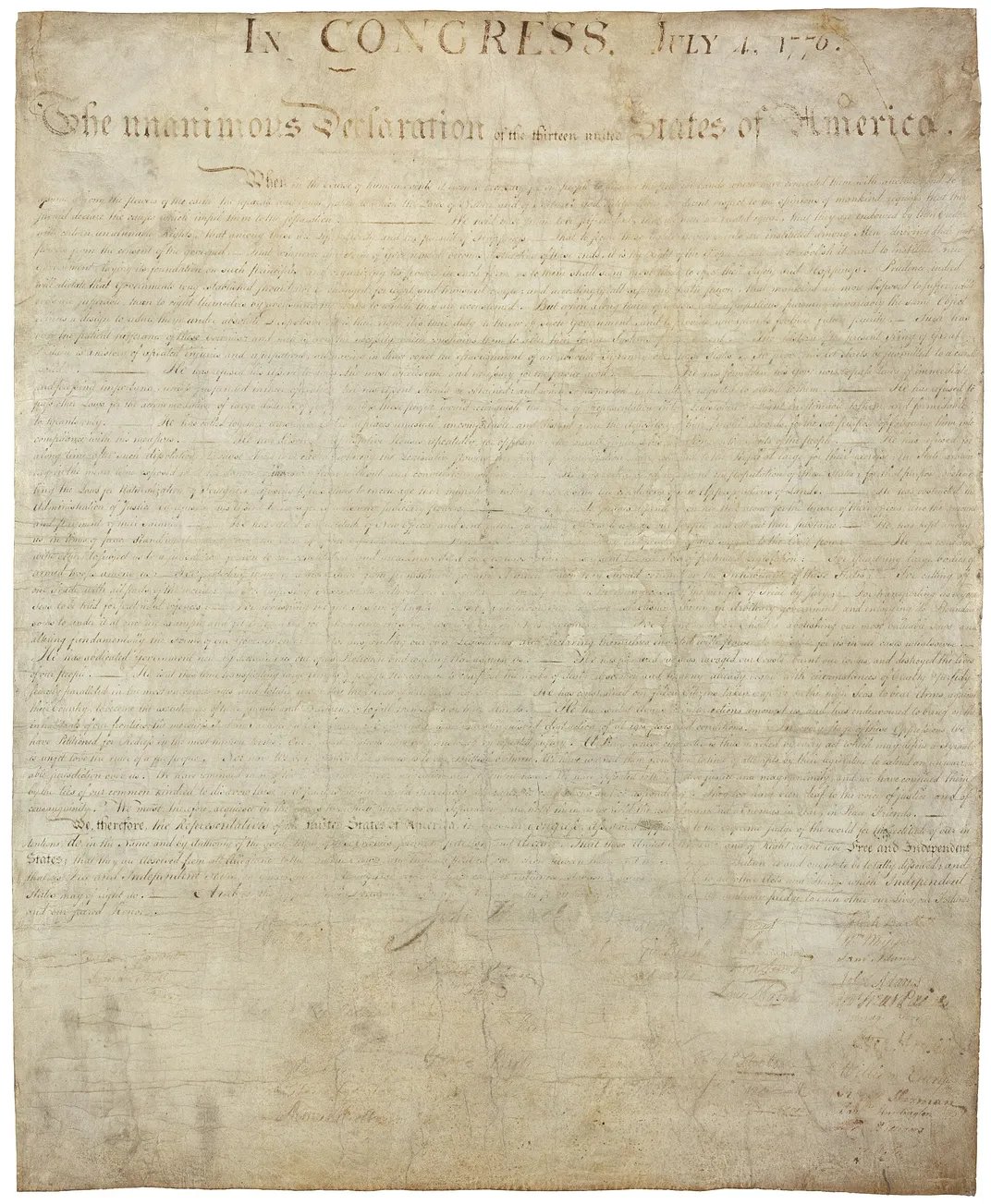
This was not a misprint or some quaint quirk of 18th-century typography. The founders had been intentionally placing larger emphasis on the phrase “States” than the phrase “united.”
“They didn’t assume they had been making a nation,” Edward J. Larson, a Pulitzer Prize-winning historian and the creator of Declaring Independence: Why 1776 Issues, tells Smithsonian journal. “They thought they had been making a confederation of impartial states, with the states transferring sure powers to a central authorities.”
The central authorities’s authority can be strictly restricted to “the facility to collectively orchestrate the conflict with Britain and to collectively take care of international nations,” Larson notes. It didn’t even have the facility to tax, in truth, however needed to depend on the states for funding.
Whereas among the founders may need sought a stronger central authorities, getting approval from all 13 Colonies would have been a nonstarter. “Virginians, for instance, considered themselves as Virginians,” Larson says. “They might by no means have agreed to combine right into a single nation or state.”
Do you know? The Federalists and the Anti-Federalists
- Federalists like Alexander Hamilton, James Madison and Benjamin Franklin advocated for a robust federal authorities and supported the ratification of the U.S. Structure.
- Anti-Federalists, led by Patrick Henry, most popular the Articles of Confederation, which granted extra energy to the states.
In 1781, the nation’s first structure, the Articles of Confederation, bolstered the brand new title with its very first article, which declared that the type “of this confederacy shall be, ‘The US of America.’”
Article II, in the meantime, reaffirmed that almost all energy nonetheless resided with the person states: “Every state retains its sovereignty, freedom and independence, and each energy, jurisdiction and proper, which isn’t by this confederation expressly delegated to the US, in Congress assembled.”
Later within the doc, the framers spelled out the restricted powers that may belong to the central authorities somewhat than to the states. These included making treaties with international international locations, imposing duties on imported items and declaring conflict.
A web page from the Articles of Confederation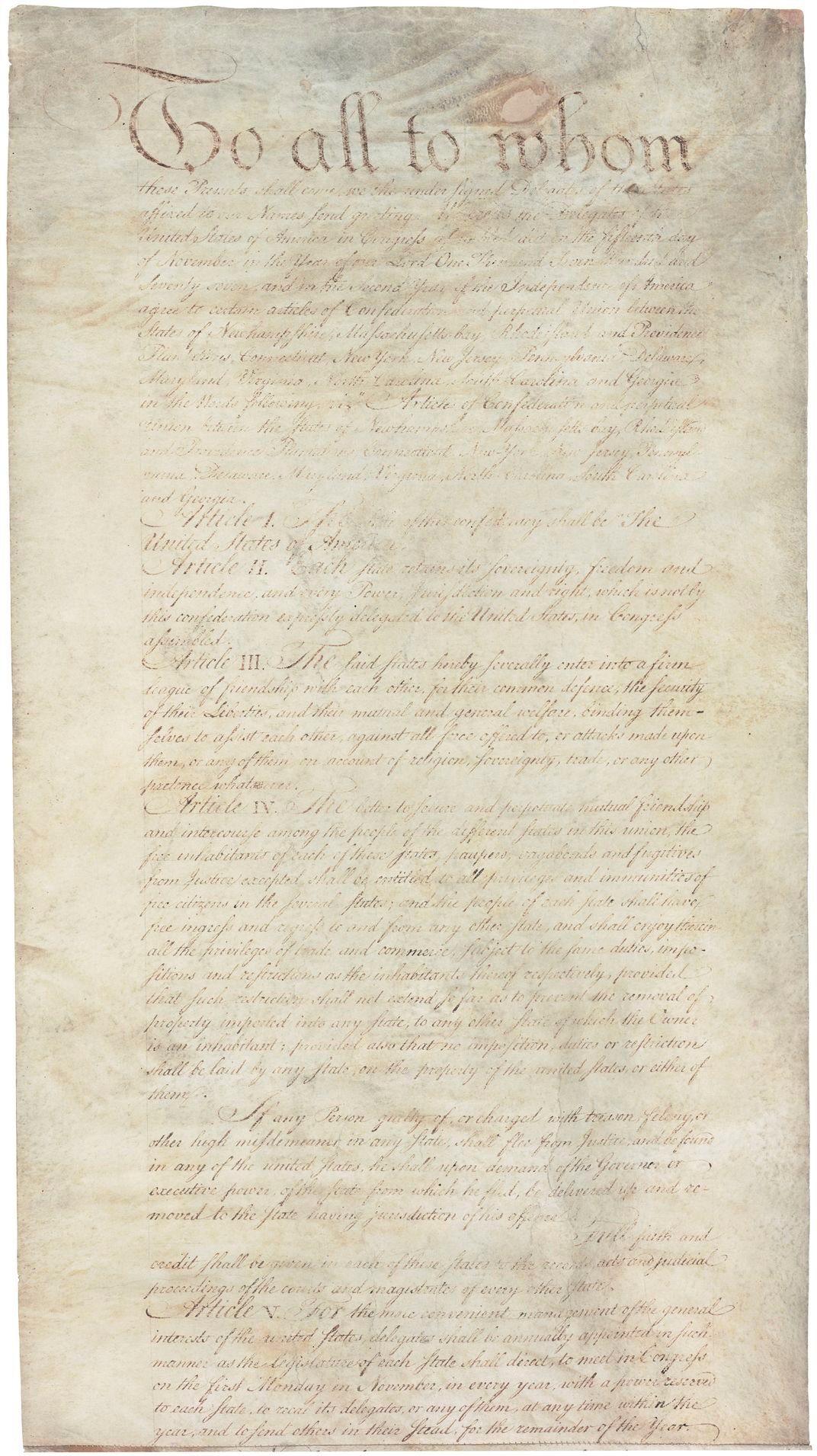
It quickly grew to become clear, nonetheless, that the Articles had been an insufficient resolution for the numerous challenges the nation confronted. “The federal government couldn’t tax, preserve a standing military or set up everlasting departments,” historian Michael Auslin writes in Nationwide Treasure: How the Declaration of Independence Made America. “The Articles proved unequal even to fundamental duties like paying off the conflict debt. … By the mid-1780s, the way forward for the republic appeared unsure.”
In 1789, a brand new structure went into impact, superseding the Articles of Confederation. The Structure, which stays the legislation of the land at present, retained the nation’s title however shifted the steadiness of energy, granting way more authority to the central authorities on the expense of the states. In its well-known first line, “We the Individuals of the US,” the “U” in “United” is capitalized as soon as and for all.
Now, “of America” would develop into the main focus of consideration.
America the controversial
Again in 1507, the German mapmaker Martin Waldseemüller had bestowed the title “America” on the land lots of the Western Hemisphere in honor of Amerigo Vespucci, the Italian explorer who, not like Christopher Columbus, acknowledged that they weren’t a part of Asia.
A Sixteenth-century map of America by Martin Waldseemüller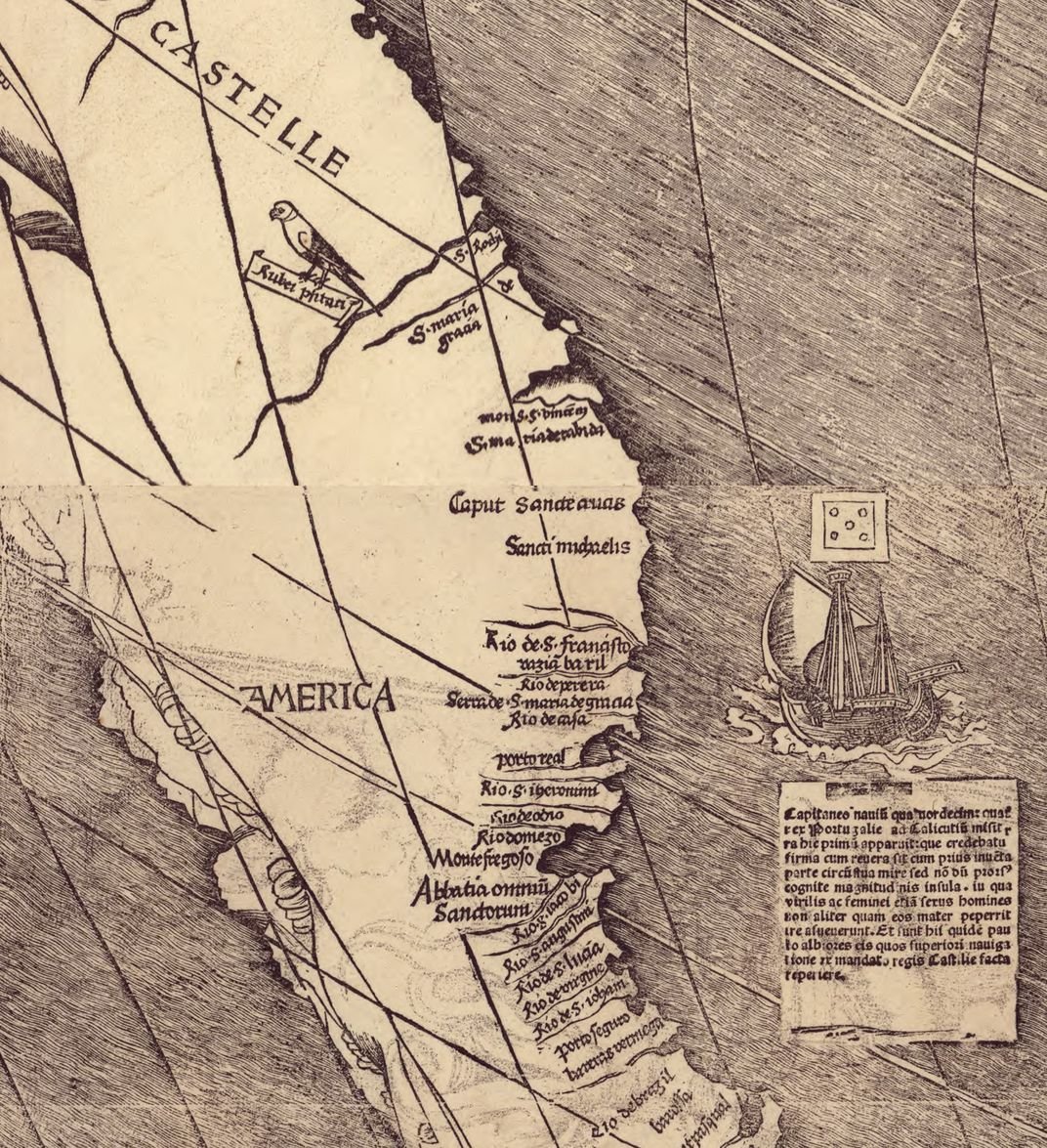
When the British later established colonies sooner or later United States, they referred to them because the North American Colonies, the American Colonies or just America. For instance, in a speech reacting to the information that the colonists meant to interrupt away from England, George III known as them “my individuals in America.” So it wasn’t stunning that “America” can be handled as a part of the brand new nation’s title.
After independence had been achieved, nonetheless, some residents started to query this determination, partially as a result of “America” lined a variety of territory, together with the whole continent of South America, that had nothing to do with their nation. In 1792, the three hundredth anniversary of Columbus’ 1492 voyage impressed a motion to rename the nation Columbia in his honor.
In 1839, the creator Washington Irving supplied one other various. He argued that the nation’s title ought to honor considered one of its distinctive mountain ranges, suggesting both the US of Appalachia or the US of Alleghania. Irving famous that the nation may nonetheless preserve the initials USA. Fellow creator Edgar Allan Poe weighed in a number of years later, casting his vote for Appalachia.
In 1845, the problem once more got here to the fore, after the New-York Historic Society shaped a committee to counsel a brand new title for the nation. Its advice: the “Republic of Allegania,” just like Irving’s thought however with a barely totally different spelling.
Washington Irving (left) and Horace Greeley (proper) each weighed in on the naming of the nation.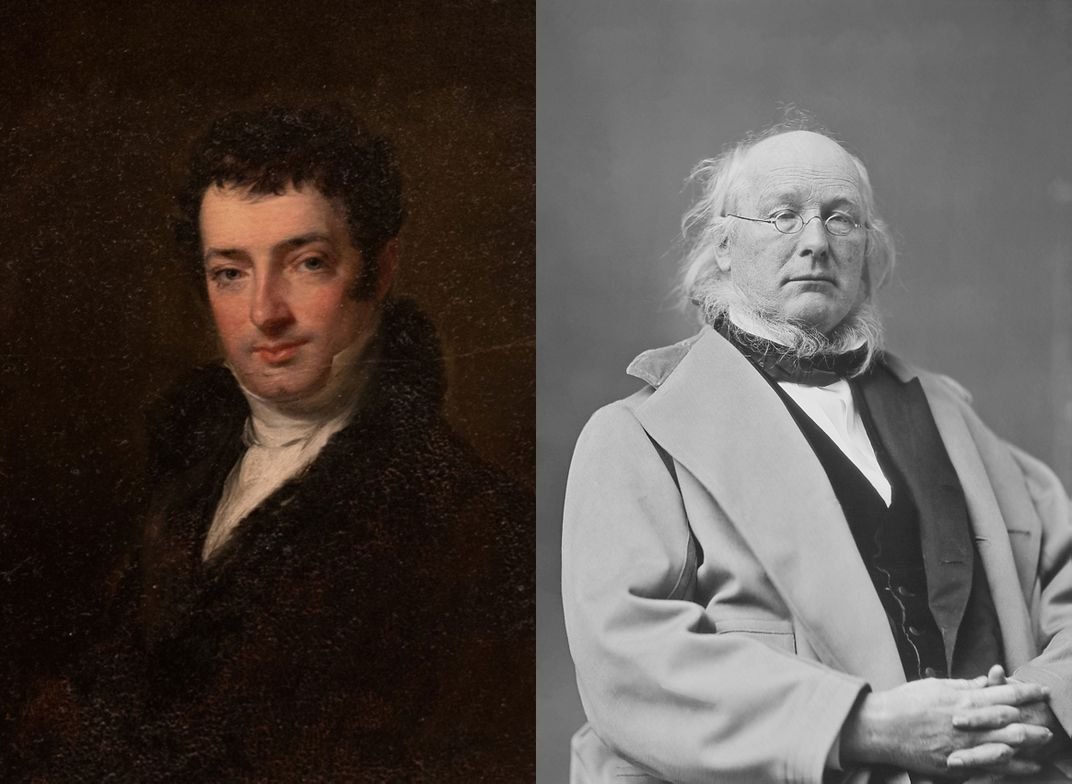
The society then submitted its report for consideration by related teams across the nation. Replying on behalf of the Massachusetts Historic Society, former U.S. President John Quincy Adams ridiculed Allegania, referring to the Alleghenies as “a mere clod of earth, a mere chain of not even comparatively lofty mountains.” He appeared to carry out hope that if the nation did rename itself, it might go together with Columbia as a substitute. The unique naming of the Americas, Adams wrote, was “a perpetual memorial of human injustice by conferring upon one man [Vespucci] a crown of glory justly as a result of one other [Columbus].”
However the New Jersey Historic Society known as for leaving properly sufficient alone. “Our title has develop into related to all that’s pricey and revered in our historical past,” the group wrote in its reply, including, “If our title is to be blotted out, allow us to await some tyrant to do it for the aim of placing to sleep the wonderful associations which it kindles in each bosom.”
Nothing got here of the historic societies’ efforts, however the battle wasn’t over. Even the potential for amending the Structure to vary the nation’s title arose every now and then.
In 1849, the well-known newspaper editor Horace Greeley, then briefly serving in Congress, joined the motion for renaming the nation in Columbus’ honor, providing a decision that he mentioned represented “tardy atonement for the injustice hitherto suffered by the nice discoverer of this continent.”
In 1866, George Washington Anderson, a congressman from Missouri, took a very totally different tack. He had no quarrel with America as a part of the nation’s title. In actual fact, he thought America needs to be the nation’s title, interval. This styling, he maintained, would “point out the actual unity and future of the American individuals because the eventual, paramount energy of this hemisphere.”
Who Named the US? (Quick Animated Documentary)
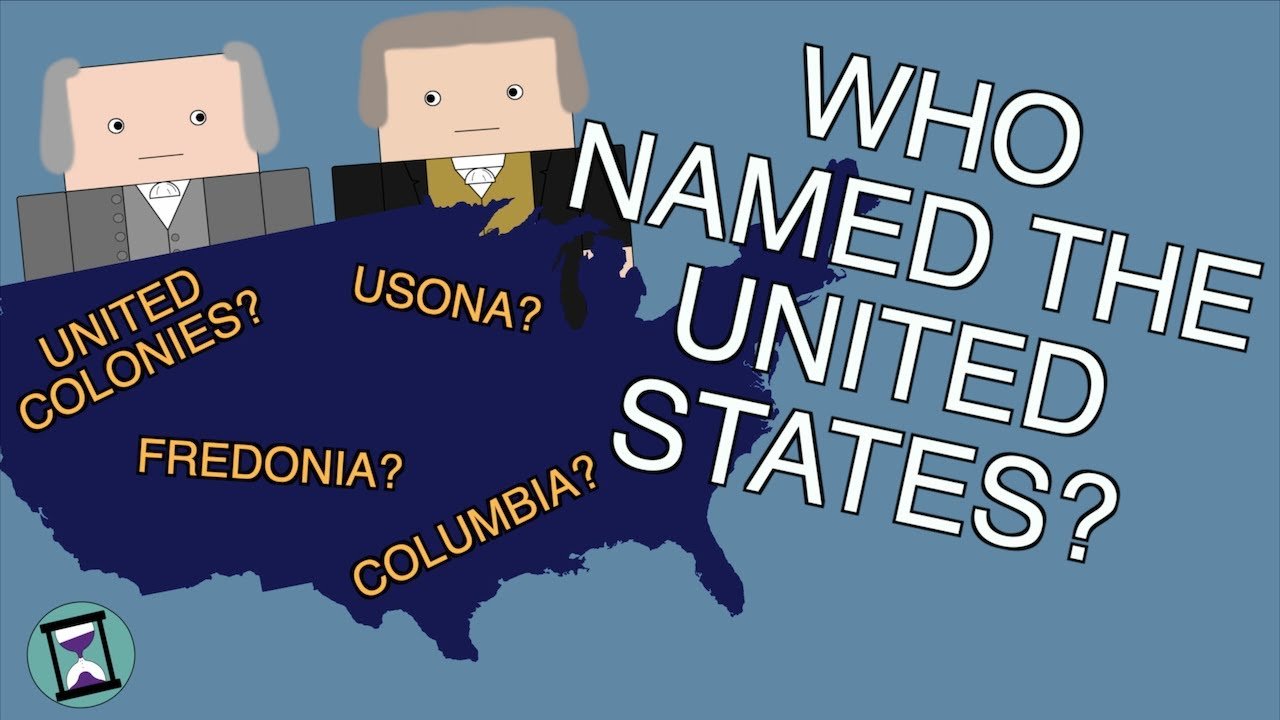
However Anderson’s ambitions for the rising nation would pale subsequent to these of Lucas Miller, a Wisconsin congressman who in 1893 reportedly proposed altering its title to the “United States of the Earth.” (Some accounts counsel that he additionally would have been pleased with “United States of the World.”)
“It’s potential for the republic to develop by means of the admission of recent states into the union, till each nation on earth has develop into a part of it,” he argued on behalf of the change.
Miller’s initiative bought some consideration, however in all probability not the type he had in thoughts. The New Orleans Occasions-Democrat, for instance, awarded him the title of “the best crank at Washington” and known as him “a match topic for an insane asylum as a substitute of for our Nationwide Legislature.”
In Miller’s protection, the Home of Representatives’ web site at present means that his proposal could have been extra satirical than severe, and that his aim was to mock “the period’s push for abroad conquest.” No matter his motive, 1893 marked the tip of his congressional profession.
Presumably taking a lesson from Miller’s destiny, no main public figures have known as for altering the nation’s title within the many years since. After two and a half centuries, the “United States of America” has stood the take a look at of time.