Why does the American flag comprise stars? Why can we name actors and sportspeople ‘stars’? Eran Shalev argues the solutions lie in what he calls ‘political astronomy’.
His guide, The Star-Spangled Republic: Political Astronomy and the Rise of the American Constellation, is about American politics, from the Revolution to simply past the Civil Struggle, and its connections with astronomy.
Shalev’s thesis is that politicians on this interval routinely used astronomical metaphors when speaking about their nation. This, in flip, helped form how they noticed themselves.
The story is instructed in three foremost chapters.
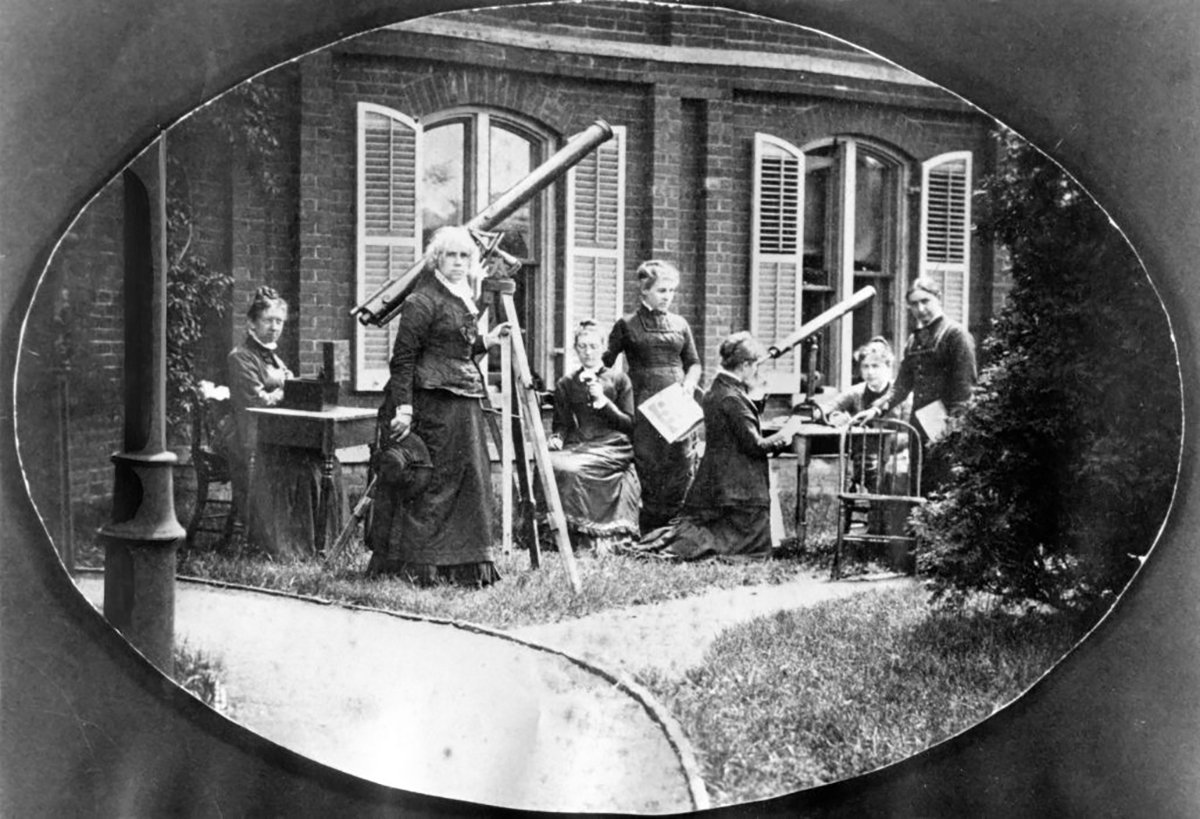
The primary explores astronomy’s place in 18th and Nineteenth-century America: almanacs, instrument-makers’ lectures, Maria Mitchell’s groundbreaking work and the famously intense 1833 Leonid meteor bathe.
SQUIRREL_14034121
Shalev additionally briefly touches on Native American sky data and the ‘fugitive science’ of African-People.
The second chapter offers with how astronomical metaphors modified over time, from Europe’s Solar Kings to the constellations of state stars within the American Republic.
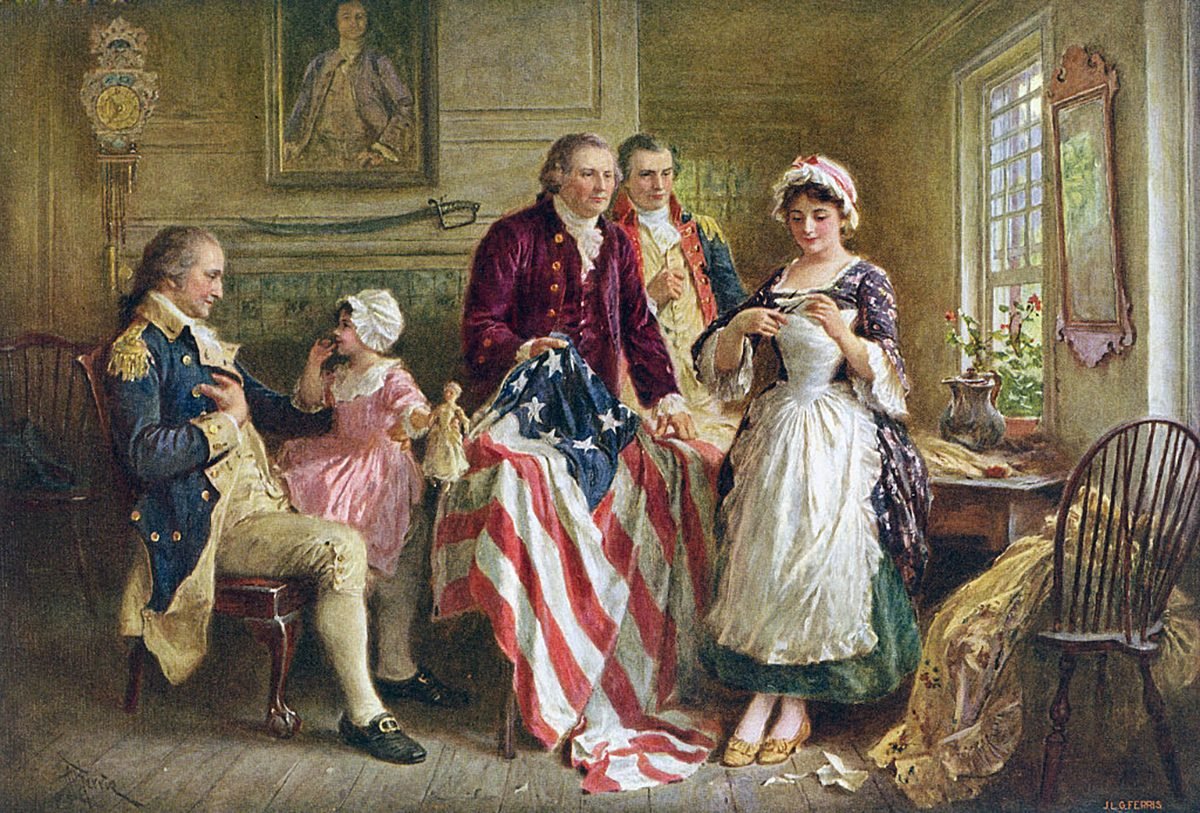
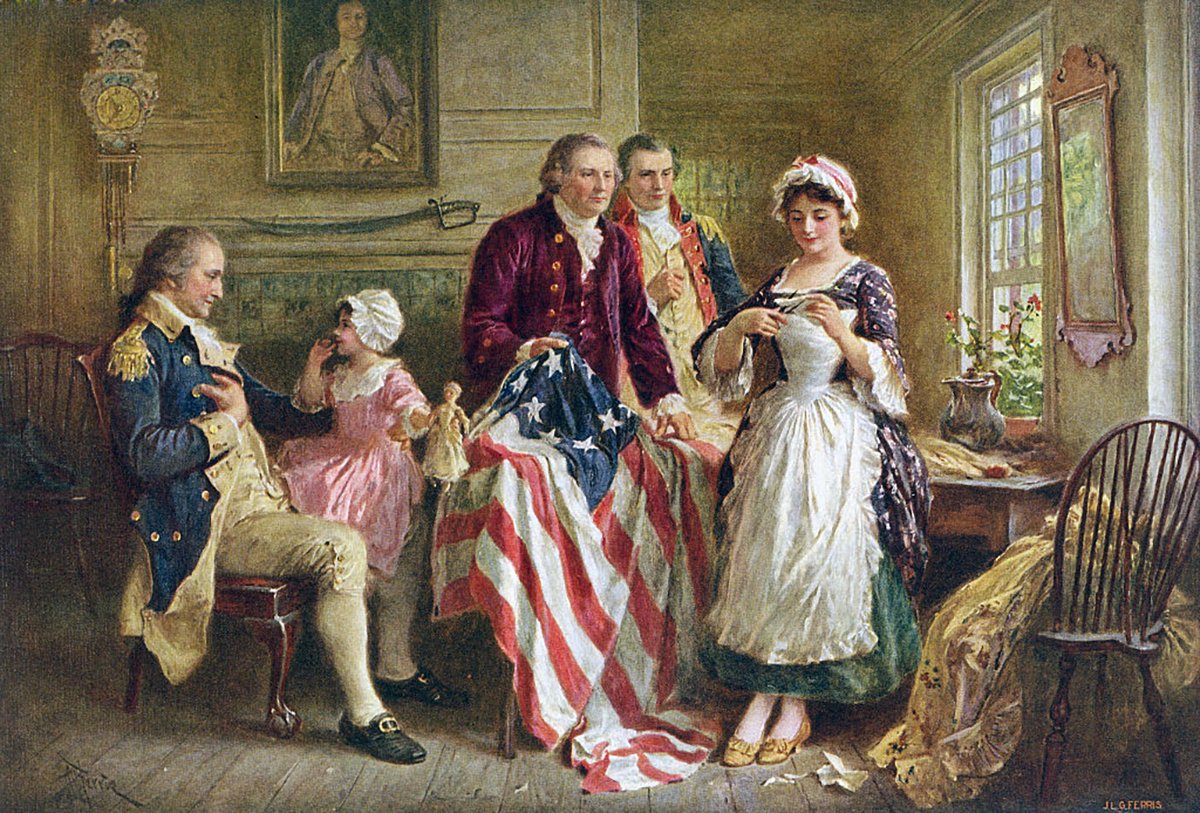
The ultimate chapter turns to the US flag itself, the place every star represents a state and indicators this shift from centralised monarchy to egalitarian union.
An epilogue expands this to take a look at how the ‘star’ is now used for actors, sportspeople and rankings.
This guide made me curious to study extra concerning the many historic ideas mentioned, similar to almanacs and ‘fugitive science’.
It’s additionally filled with quotes exhibiting simply how typically astronomical metaphors have been utilized by American politicians and commentators within the Nineteenth century.
We obtained the prospect to ask Shalev extra about his concept on the intertwining of the cosmos and the historical past of the USA.

How did you conceive of the ‘political astronomy’ metaphor to explain early US political thought?
By a contented accident. Whereas studying a colleague’s paper on early fashionable European cosmology, I recalled the phrase ‘the New Constellation’, which I had come throughout in revolutionary-era American newspapers.
Intrigued by it, I returned to the library to study extra about its which means, however discovered nothing.
That search, nevertheless, led me to uncover a complete world of cosmic metaphors and which means in early American political writing, which I got here to name political astronomy.
How does astronomy tie in with the best way early People perceived their nation and nationwide identification?
Early fashionable Europeans, significantly after the rise of absolutism, repeatedly described their monarchical regimes in astronomical phrases, portraying the king as a solar holding collectively a political-solar system.
Revolutionary People adopted this highly effective metaphor however turned it on its head, republican fashion.
Trying up on the night time sky, they now noticed not a single dominant Solar however slightly numerous stars: proof, they believed, that nature favoured peaceable republicanism over repressive monarchy.
This celestial mannequin harmonised completely with their revolutionary federal construction of a plurality of state-stars.
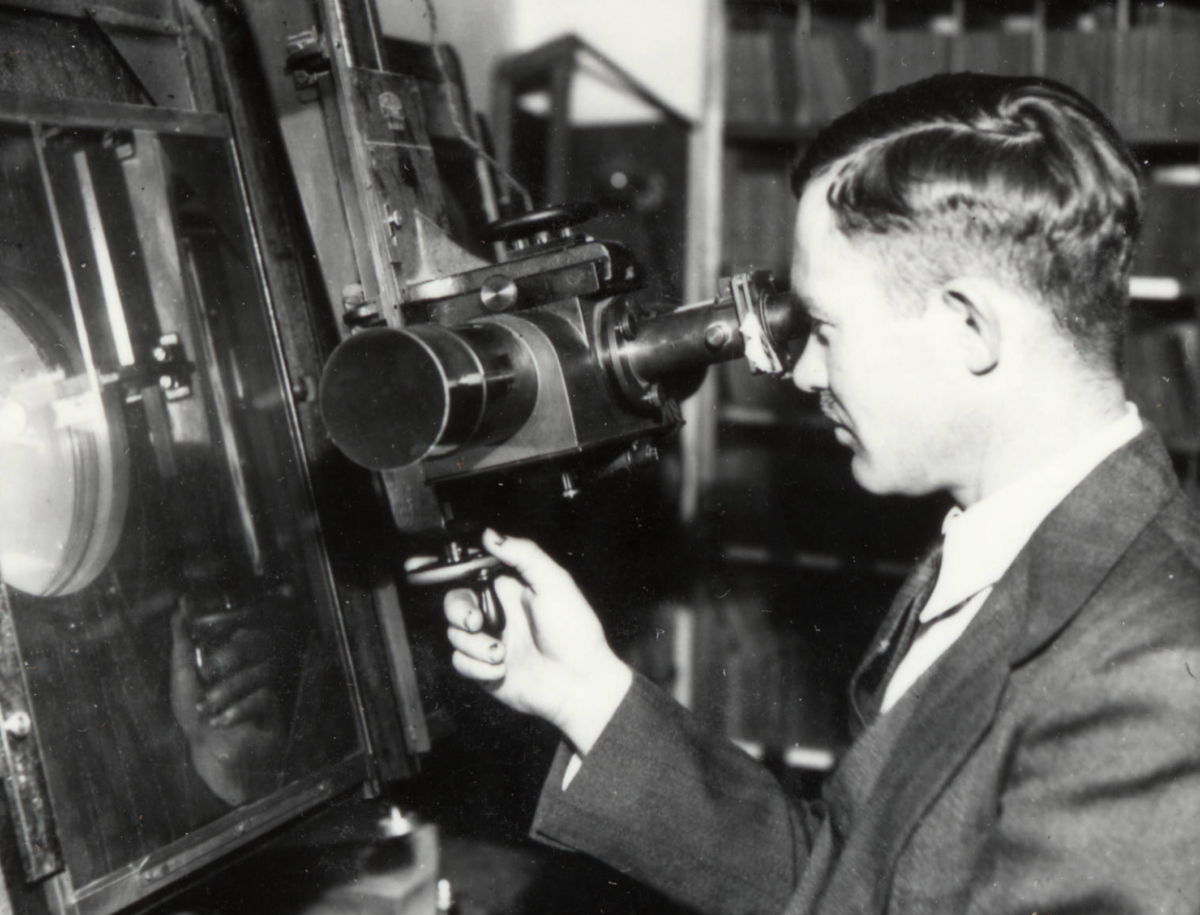
What have been America’s best achievements within the subject of astronomy?
Like in different scientific ventures, America was gradual to catch up in astronomy.
Early People noticed the transit of Venus (David Rittenhouse, 1769) and found comets (Maria Mitchell, 1847).
The Nineteenth-century observatory motion signaled rising scientific ambition, paving the best way for main Twentieth-century breakthroughs: Hubble’s increasing universe (1929), Pluto’s discovery (1930), and the Apollo Moon landings (1969–72).
At present, the US leads in astrophysics and area exploration, as proven by the James Webb House Telescope increasing humanity’s cosmic imaginative and prescient.
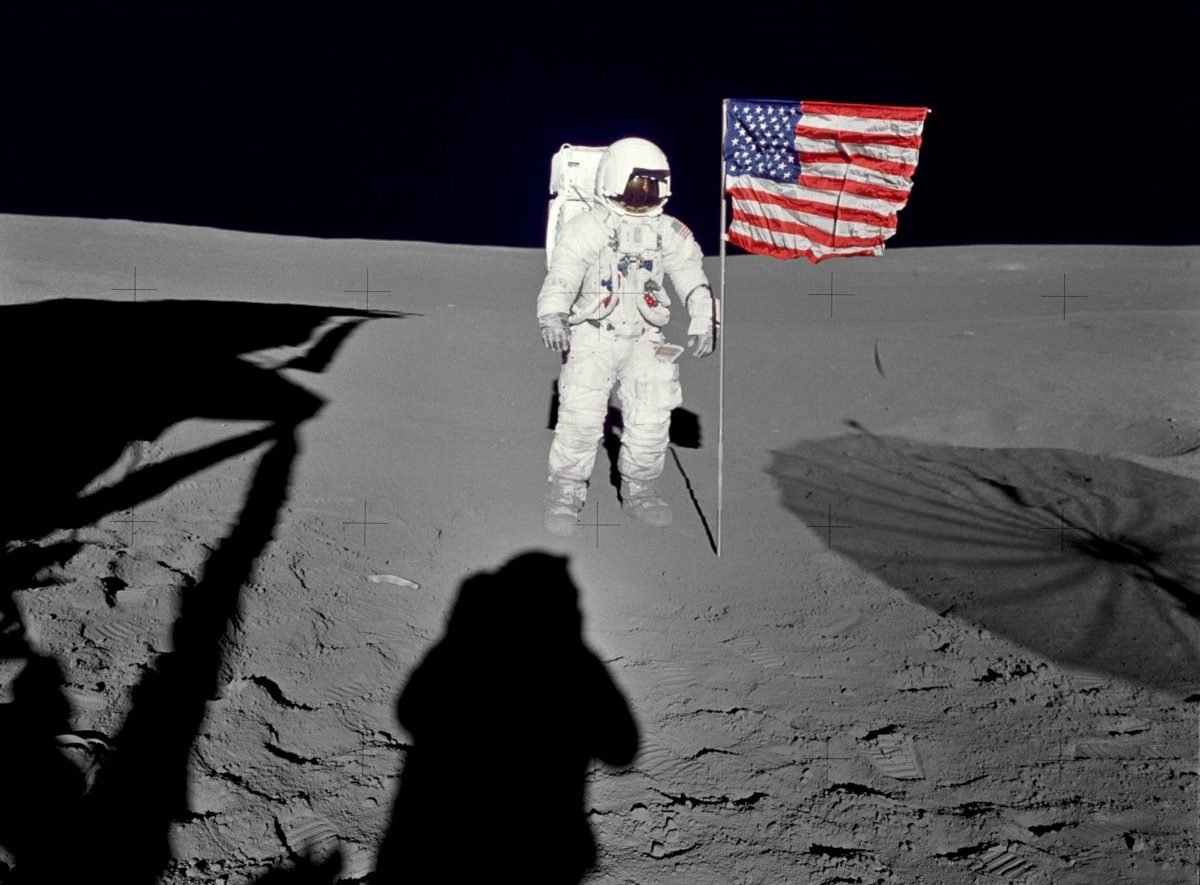
Can we nonetheless see components and echoes of political astronomy within the US at present?
After all! When you recognise the Star-Spangled Banner for what it’s, a visible assertion of political astronomy expressing republican concord amongst state-stars, you start to note the resonance of political astronomy all over the place.
In an age when actual stars have all however vanished as a result of mild air pollution, the American pentagram (a form that has little resemblance to precise stars) has leapt from political astronomy into the broader tradition.
The American star has arguably turn into probably the most outstanding and enduring of all American symbols, though its astronomical origins have been all however forgotten.