At a look
- Schäffer introduced engines with 4 to 12 cylinders to the observe
- A developer with a ardour for technical particulars
- Performed a key function in main racing engine initiatives proper as much as the Nineteen Eighties
Atlanta. Valentin Schäffer is without doubt one of the individuals who has had a long-lasting affect on engine improvement at Porsche. On October 8, 2026, the previous Porsche engineer will rejoice his ninety fifth birthday. “Valentin Schäffer by no means seen racing engines as machines, however as exactly tuned methods that should operate underneath excessive circumstances,” says Thomas Laudenbach, Head of Porsche Motorsport. “His work continues to display as we speak simply how carefully technical understanding should be intertwined with sensible expertise in an effort to achieve motorsport. We thank him for his tireless dedication to engine design and improvement and need him all one of the best on his ninety fifth birthday.”
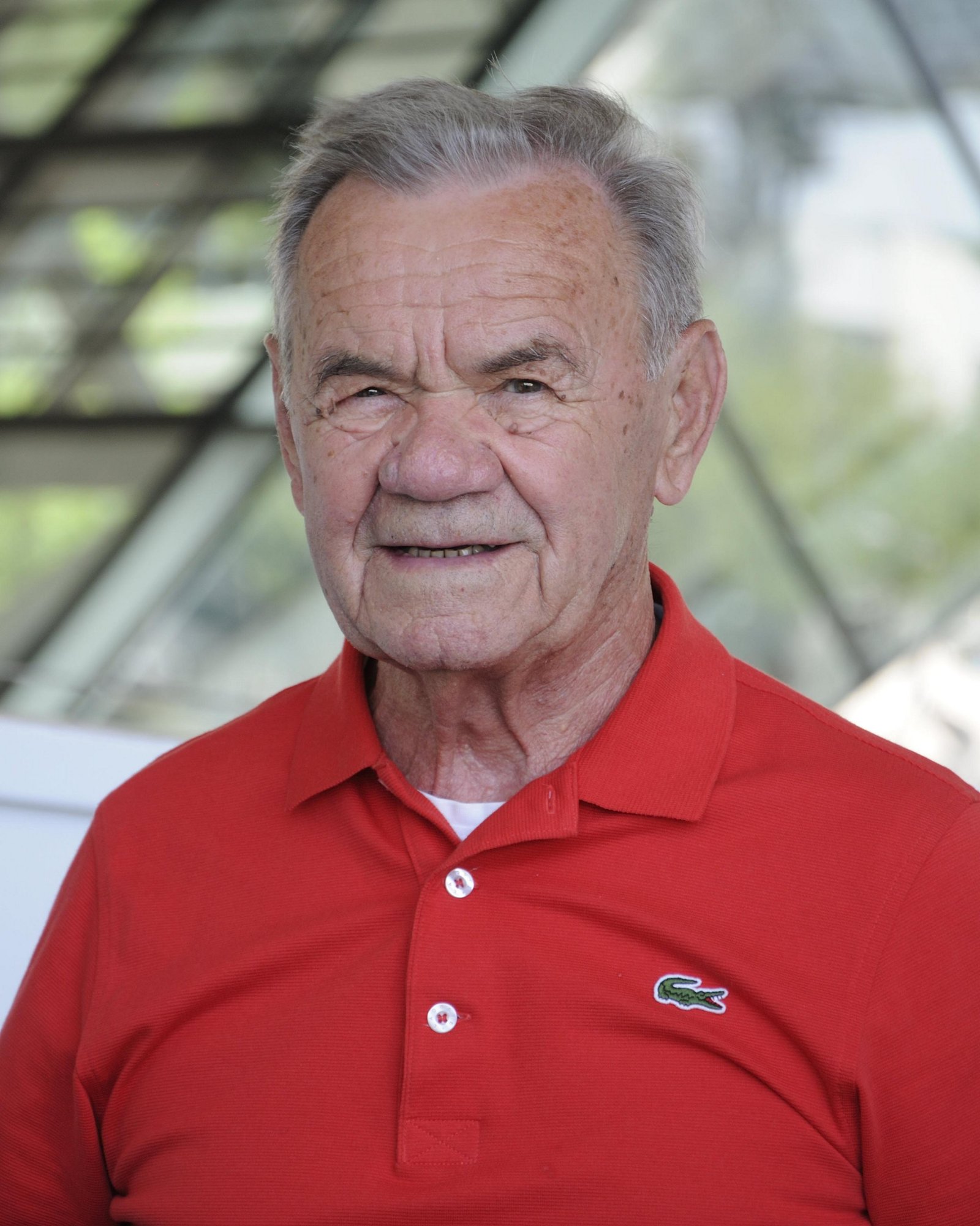
Schäffer was born in Hungary on October 8, 1931. In 1955, in his mid-20s, he started his profession as an engine mechanic at Porsche. On the time, improvement work targeted on the bodily object itself. Within the Nineteen Fifties, engineers dismantled, measured and reassembled elements as an alternative of calculating their efficiency. This hands-on strategy gave Schäffer, and others within the area, a deep understanding of technical processes that prolonged past theoretical information.
Studying on the limits
In 1961, he handed his technician and grasp craftsman examinations. On the identical time, his tasks within the workshop grew. Schäffer labored on varied engine designs, analyzed their efficiency in use and developed options that needed to show themselves not solely on the check bench but in addition on the observe. The engines he helped develop ranged from compact four-cylinder items to complicated 12-cylinder powerplants. As early as 1956, Schäffer was concerned in work on the Sort 547/2, a four-cylinder engine for the Porsche 550A RS Spyder. This was adopted by the Sort 753 and 771 eight-cylinder cross-plane engines, with which Porsche celebrated victories in Formulation 1, the European Hill Climb Championship and the World Sportscar Championship.
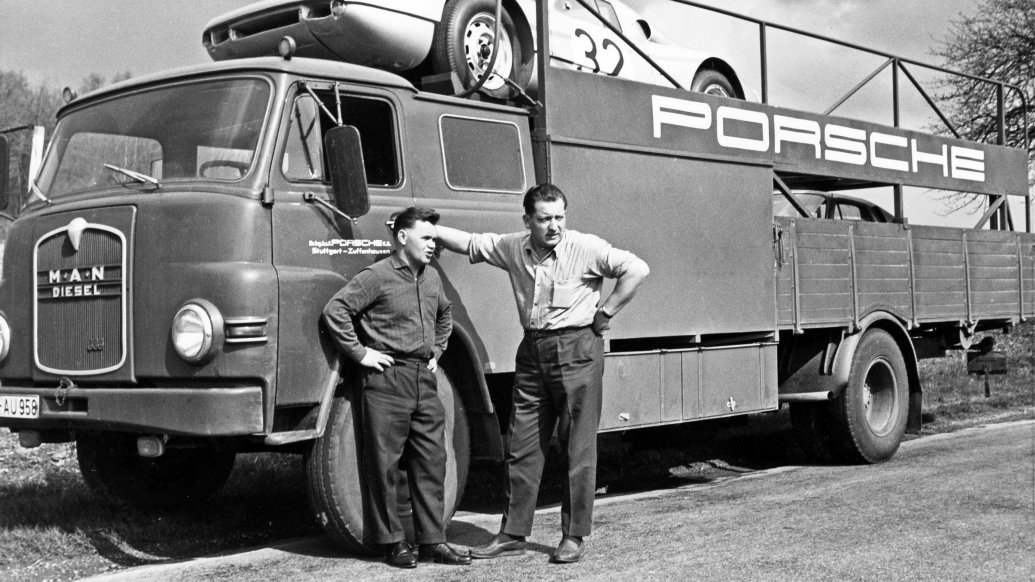
“The eight-cylinder 771 was my absolute favourite engine. And it was one of the best engine for hill climbs. I spent a very long time engaged on this engine day-after-day, tinkering with the exhaust system to squeeze out a couple of extra PS,” says the daddy of two, referring to the racing engine with an influence output of 138 PS per liter. Typically he’d even get the urge on a Sunday morning: “I’d drive to the check bench and maintain tinkering till I’d received the engine operating,” says Schäffer.
The big variety of initiatives helped Schäffer develop a historic understanding of engine improvement. Every engine offered completely different challenges in efficiency, cooling and sturdiness.
Duty for key engine initiatives
In 1966, Schäffer, recognized for his work ethic and technical experience, took over as head of racing engine improvement. In that function, he demonstrated his skill to handle complicated processes. His superior was Ferdinand Piëch, who had led your entire improvement division since 1965. Hans Mezger was additionally amongst his colleagues.
Below Schäffer’s management, Porsche developed the six-cylinder engines for the 906 Carrera 6 and 910. On the identical time, he continued work on the eight-cylinder engine for the Porsche 908, in addition to the Sort 916 six-cylinder boxer engine, which served as the premise for the Porsche 908 and for testing the Sort 912 12-cylinder engine within the Porsche 917.
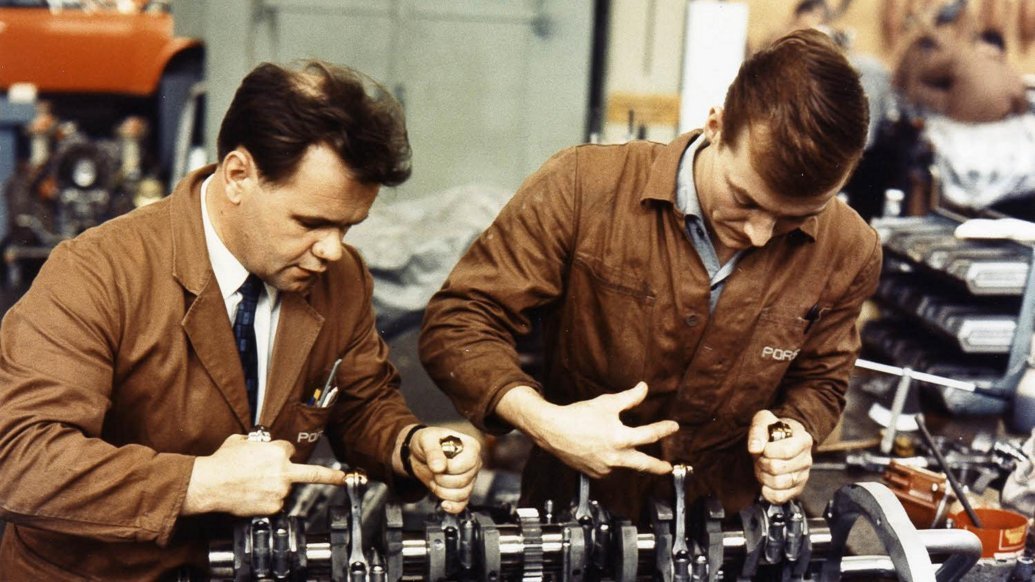
His work on the automobile’s 12-cylinder engines proved to be significantly influential. The 912, 912/51 and 912/52 engine variants marked successive phases within the improvement of the Porsche 917. Right here, Schäffer’s skill to extend efficiency whereas integrating it right into a secure general system turned most evident.
Efficiency underneath excessive circumstances
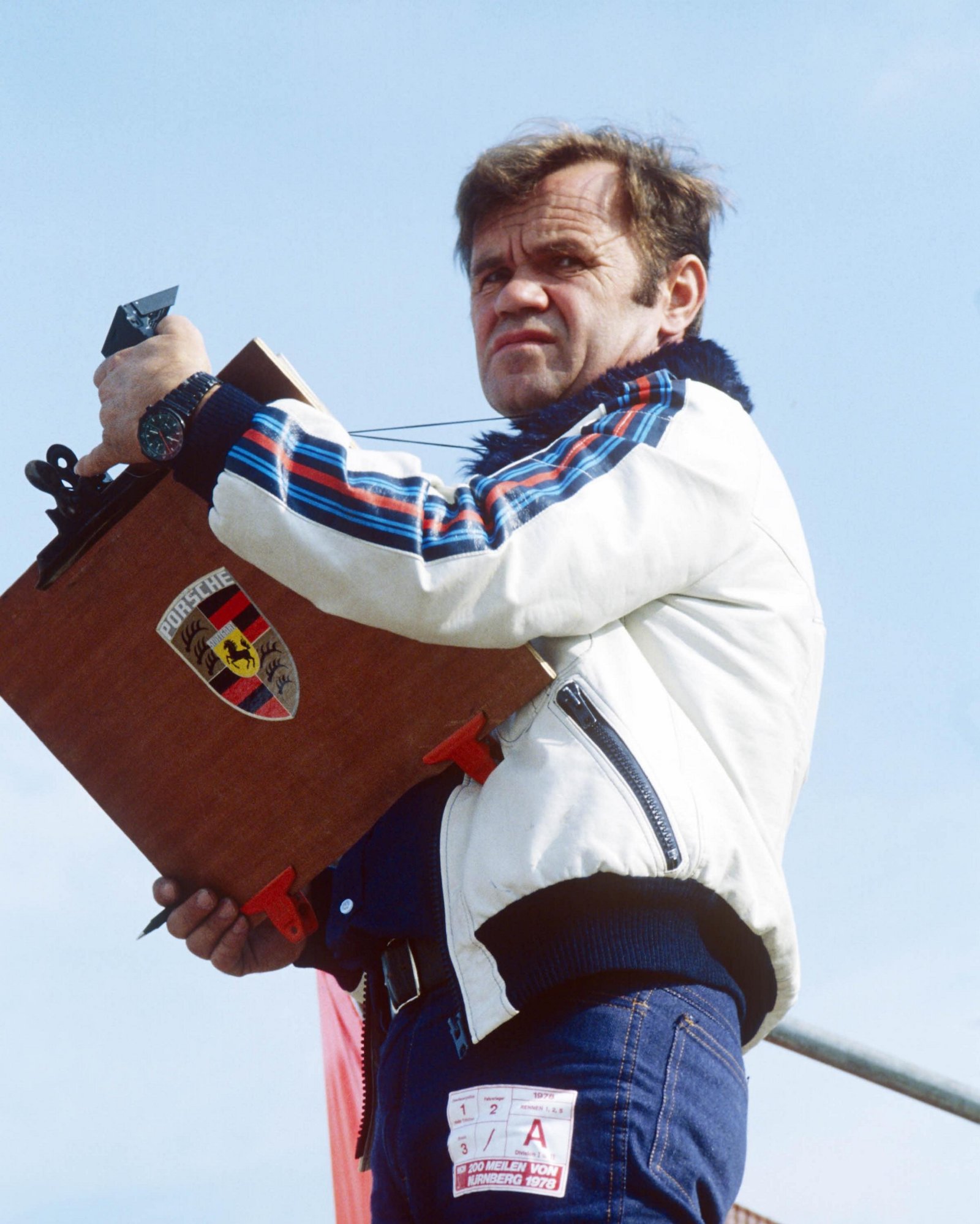
One significantly vital day for Schäffer got here on August 9, 1975. On that day, a Porsche 917/30 outfitted with the 912/52 turbo engine set a world velocity report at Talladega Superspeedway. Mark Donohue achieved a mean velocity of 221.07 mph on the 1.65 mile oval.
From 1956 to 1982, Schäffer oversaw quite a few racing campaigns, together with the Targa Florio, the Can-Am Collection and the 24 Hours of Le Mans. Every offered distinctive challenges, however all demanded fast engine response. For engineers, that actuality meant testing principle in opposition to real-world efficiency on the observe. Schäffer remained dedicated to that philosophy all through his profession.
He was current on June 14, 1970, when Porsche secured its first Le Mans victory with the 917 KH, pushed by Hans Herrmann and Richard Attwood. A yr later, he fully redesigned the turbo engine from the bottom up, rapidly incomes the nickname “Turbo-Valentin.”
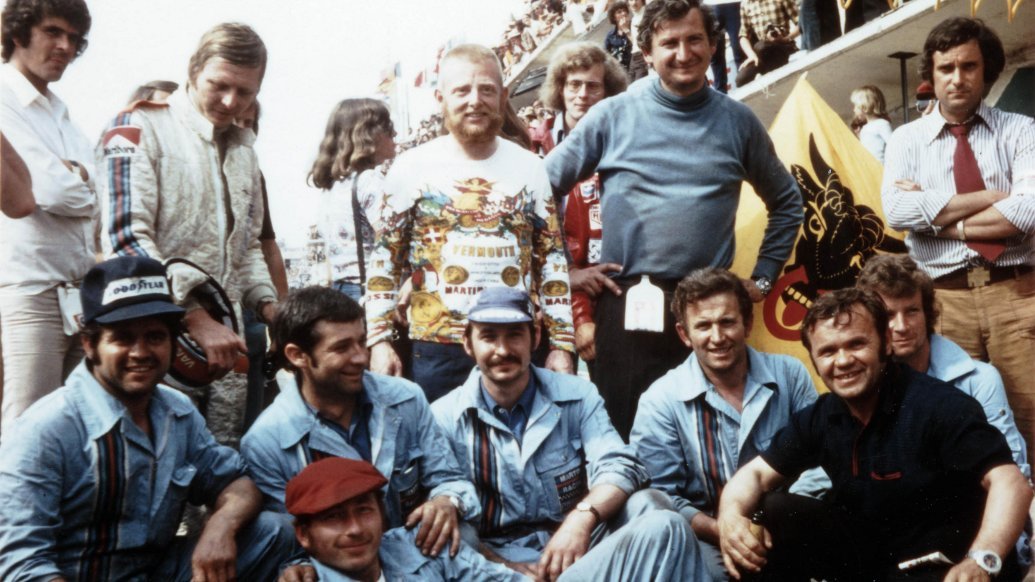
Alongside his improvement work, he attended quite a few races and straight included the insights he gained into the design course of. In 1989, Schäffer’s lively profession at Porsche got here to an finish, and he retired. Nevertheless, he remained in Porsche’s service for a few years afterward.